

Adam Greenberg
May 13, 2026
Every few years, a new wave of digital technology arrives — social media, streaming, smartphones, AI — and the conversation starts again: is this the end of print? And every time, the answer turns out to be the same. Print doesn’t die. It adapts, sharpens its purpose, and finds a more powerful role in a landscape where digital has become the default.
In 2026, that dynamic has never been clearer. We are living through the most digitally saturated media environment in human history — and paradoxically, that saturation is making print more valuable, not less.
At Unique Print NY, we work with brands across New York City every day — fashion labels, real estate developers, independent publishers, hospitality groups, corporate marketing teams. What we’re seeing in 2026 is not a market in decline. It’s a market in transformation. The brands that understand that transformation are using print more strategically than ever — and seeing results that their digital-only competitors cannot match.
This article breaks down why print is thriving, what the data actually says, and what NYC brands need to know to stay ahead in 2026.
1. The Digital Saturation Problem — and Why It’s Print’s Opportunity
To understand why print is growing in relevance, you first have to understand the scale of the problem it’s responding to.
The average American adult is now exposed to between 6,000 and 10,000 digital advertising impressions per day. Social media feeds, pre-roll video, display ads, sponsored content, email campaigns, push notifications, podcast ads, connected TV — the channels have multiplied to the point where digital advertising has become a kind of ambient noise. Most people have developed sophisticated mental filters that screen it out automatically. Ad recall rates for digital display advertising hover around 9%. Banner blindness — the cognitive phenomenon where users simply stop seeing display ads — is now nearly universal.
In this environment, physical print does something digital fundamentally cannot: it interrupts the pattern. A beautifully printed magazine landing on a desk, a premium lookbook arriving in the mail, a thoughtfully designed event program placed in someone’s hands — these are physical objects in a physical world, and they demand a different kind of attention.
“We've reached a point where receiving something beautifully printed in the mail feels almost luxurious.”
— Unique Print NY Production Team
2. What the Data Actually Says About Print trends in 2026
The resurgence of print isn’t anecdotal — it’s measurable. Here’s what the research consistently shows:
| Metric | Digital Equivalent | |
|---|---|---|
|
Brand Recall Rate |
70% higher than digital ads |
~9% average for display ads |
|
Direct Mail Response Rate |
4.4% average |
0.12% average for email |
|
Average Time Spent Engaging |
43 minutes (magazines) |
~2.5 seconds (digital display) |
|
Consumer Trust Rating |
82% trust print ads |
61% trust digital ads |
|
Purchase Intent After Exposure |
Print drives 70% more |
Baseline |
|
Emotional Processing |
Deeper neural engagement |
Faster, shallower processing |
|
Lifespan of the Medium |
Days to months (physical retention) |
Seconds to minutes (scroll past) |
These numbers aren’t from the printing industry making a case for itself. They come from neuroscience research, consumer behavior studies, and direct marketing performance data. The pattern is consistent: physical print engages more deeply, is trusted more readily, is remembered more reliably, and is retained far longer than its digital equivalents.
3. The Neuroscience of Print: Why Your Brain Responds Differently
The engagement advantage of print isn’t just a marketing observation — it has a neurological basis. Research from institutions including Temple University and Canada Post has used fMRI brain imaging to compare how the brain processes physical mail versus digital advertising. The findings are striking:
Deeper Memory Encoding
Neuroscience Finding
Physical media activates the brain's memory encoding regions more strongly than digital. The act of touching and holding a physical object creates a sensory experience that reinforces memory formation — something a screen cannot replicate.
Greater Emotional Engagement
Neuroscience Finding
Brain imaging shows that physical mail activates areas associated with desire and valuation more strongly than digital ads. Recipients form stronger emotional connections to physical branded communications.
Longer Processing Time
Behavioral Finding
People spend significantly more time processing physical printed materials than digital equivalents. A print magazine commands an average of 43 minutes of reading time per issue. A digital banner ad gets approximately 2.5 seconds before the eye moves on.
Higher Message Comprehension
Cognitive Science Finding
Studies consistently show that readers comprehend and retain information better when reading from print than from screens. The physical act of reading slows processing in ways that improve understanding and long-term retention.
The Haptic Advantage
Sensory Research Finding
Texture matters. Research shows that the physical weight, texture, and quality of a printed piece directly influences how the brand producing it is perceived. A heavy, soft-touch laminate magazine is literally felt as more premium.
Zero Algorithm Interference
Media Environment Factor
A printed magazine doesn't compete with an algorithm for attention. It doesn't get buried in a feed, suppressed by a platform update, or blocked by an ad blocker. Once it's in someone's hands, it has their undivided attention.
4. How NYC’s Leading Industries Are Using Print in 2026
The print resurgence isn’t happening uniformly across all sectors. In New York City specifically, we’re seeing the strongest growth in print investment from five industries — each using print in ways uniquely suited to their market dynamics:
Fastest Growing at Unique Print NY
NYC’s fashion industry has fully embraced the premium print revival. Seasonal lookbooks, buyer’s market magazines, press kits, and event programs have become essential brand touchpoints for labels competing in the most image-conscious market in the world.
The logic is straightforward: if your brand is premium, your print materials need to feel premium. A fashion brand distributing a soft-touch laminate lookbook at a trunk show or NYFW activation is communicating quality through the physical object itself — before a buyer reads a single word or looks at a single photograph.
At Unique Print NY, fashion and lifestyle brands are our fastest-growing client segment. We’re printing more seasonal lookbooks and brand magazines for NYC fashion clients in 2026 than at any point in our history.
Significant Growth
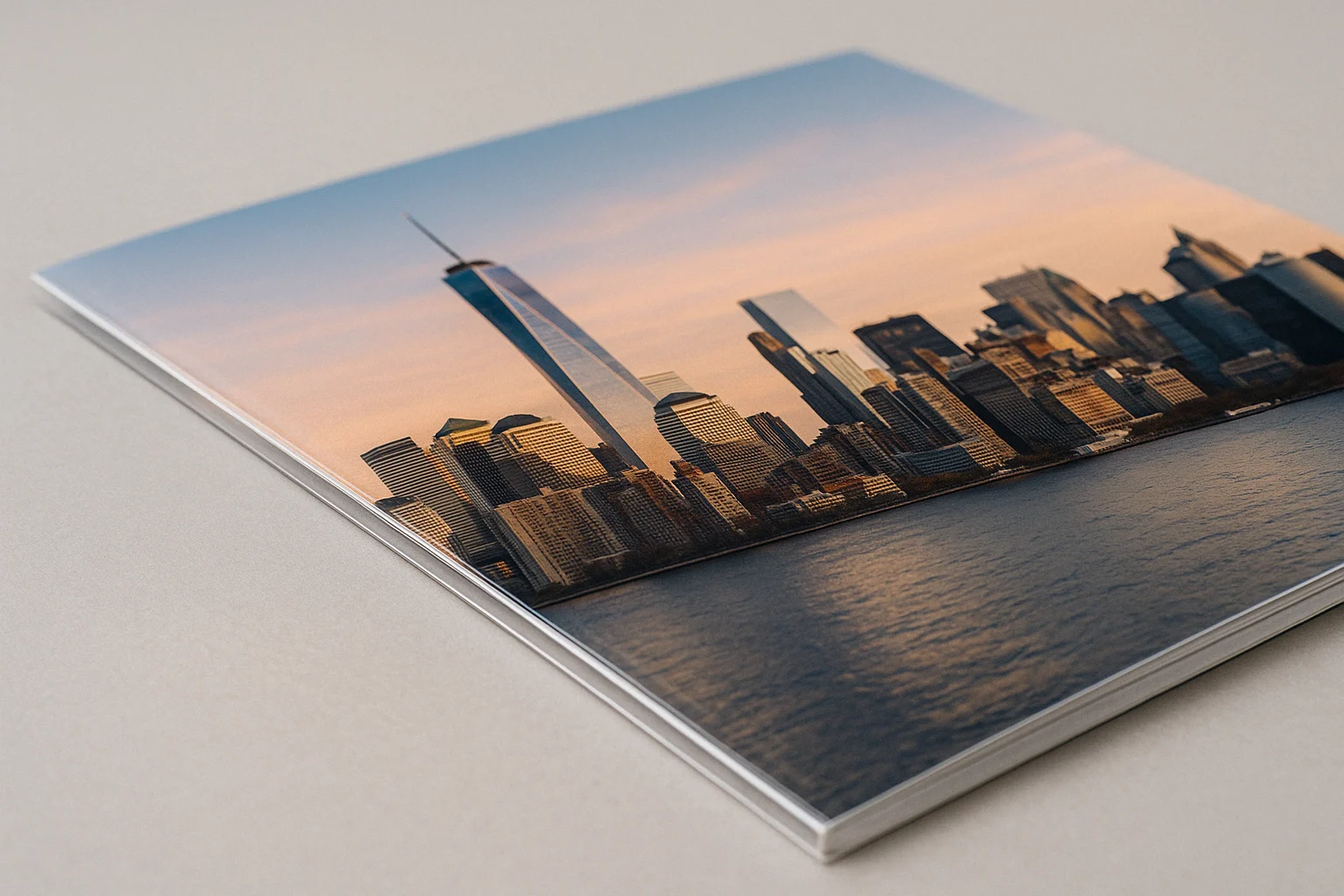
New York’s real estate market has rediscovered print as a premium differentiator in a market saturated with digital listings. Luxury development marketing teams are producing full property showcase magazines — 32 to 64-page publications featuring architectural photography, neighborhood profiles, floor plans, and brand narratives — distributed to qualified buyers, brokers, and at sales gallery events.
In a market where a single unit can sell for millions, the cost of a beautifully printed property magazine is negligible against the value it communicates. A digital listing disappears when a browser tab closes. A premium printed showcase magazine sits on a potential buyer’s coffee table for weeks.
Consistent Growth
NYC’s hospitality sector — hotels, restaurants, private members clubs, event venues — uses print to create physical brand environments. Guest magazines in hotel rooms, premium menu design, event program booklets, and member communications are all experiencing renewed investment as hospitality brands recognize that physical touchpoints are a direct extension of the guest experience.
A guest who picks up a beautifully printed in-room magazine is spending time with your brand in a way that no push notification or email can replicate. The engagement is voluntary, unhurried, and deeply associated with the comfort of the physical environment around them.
Strongest Cultural Momentum
The independent magazine market in New York City is experiencing a genuine cultural renaissance. Short-run, highly curated independent publications — covering art, culture, food, design, sustainability, identity, and community — are being launched at a rate not seen since the pre-digital era.
These publications are not competing with digital media. They are deliberately positioned as an alternative to it — physical objects with editorial integrity, design intention, and a permanence that no Instagram post or newsletter can offer. Short-run digital printing has made this accessible: a first run of 100 to 250 copies is now within reach of almost any independent publisher or creative collective.
Steady Reinvestment
Corporate marketing teams across New York City are rediscovering print after years of budget migration toward digital. The driver is a simple recognition: in a world where every competitor is sending emails and running LinkedIn ads, a physical printed publication — an annual report, a client magazine, a capabilities brochure — stands out with a distinctiveness that digital cannot replicate.
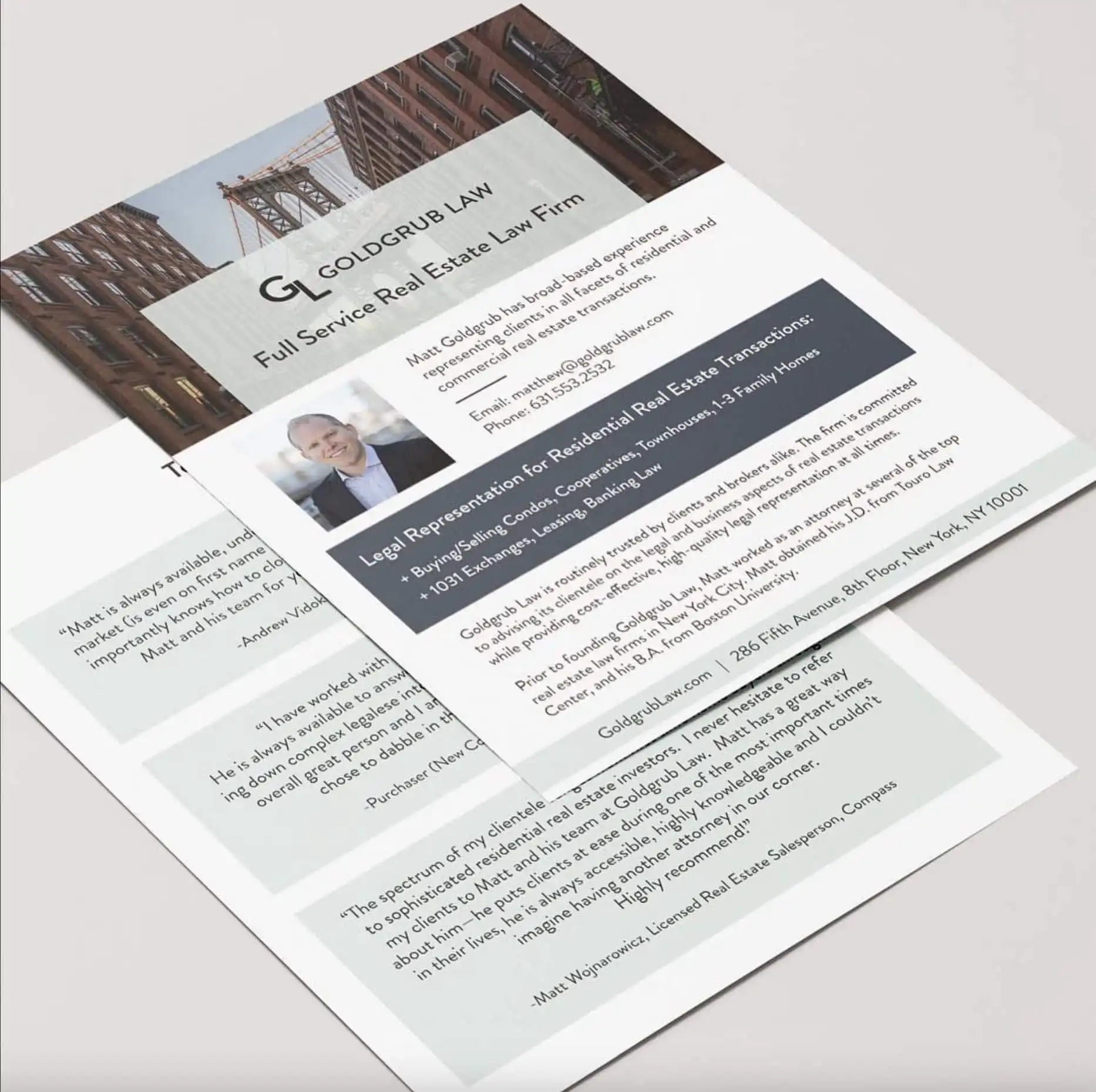
For B2B brands selling high-value services or products, the physical quality of print materials communicates the quality of the offering itself. A law firm, investment bank, or management consultancy that hands a prospective client a beautifully designed and printed capabilities magazine is making a brand statement that no PDF attachment can match.
5. The Rise of Print as a Premium Brand Signal

One of the most significant shifts we’re observing in 2026 is the way print has repositioned itself as a premium brand signal — a deliberate, costly choice that communicates investment, quality, and permanence in a way that free-to-publish digital content simply cannot.
This dynamic works on a simple economic logic: when everyone can publish content for free online, the brands that invest in physical print are immediately distinguishing themselves. The cost and effort of print production is itself a signal of seriousness and quality. A brand that hands you a beautifully printed magazine is telling you, through the object itself, that they care enough to invest in your experience.
6. Print and Digital Are Not Competitors — They’re Complements
The most effective marketing strategies in 2026 don’t choose between print and digital — they use both deliberately, assigning each channel the role it’s best suited for.
| Marketing Goal | Best Channel | Why |
|---|---|---|
|
Brand awareness at scale |
Digital (paid social, SEO) |
Reach and targeting efficiency |
|
Deep brand engagement |
|
Time, attention, and emotional depth |
|
Premium brand positioning |
|
Physical quality communicates brand quality |
|
Real-time offers and promotions |
Digital (email, social) |
Speed and immediate response capability |
|
Long-term brand memory |
|
Higher recall and longer physical lifespan |
|
Conversion and direct response |
Digital (PPC, email) |
Trackable, immediate click-through |
|
Trust building |
|
82% of consumers trust print vs. 61% for digital |
|
Event and experiential marketing |
|
Physical takeaway extends the experience |
The smartest NYC brands are running print and digital in parallel — using digital to generate awareness and drive traffic, and using print to deepen brand relationships, command premium positioning, and create the kind of lasting impression that drives word-of-mouth and long-term loyalty.
7. What This Means for NYC Brands in 2026
If you’re a brand operating in New York City in 2026, here’s what the print resurgence means in practical terms:
-
Print is a differentiation opportunity, not a legacy obligation
Your competitors are overwhelmingly invested in digital. A well-executed print strategy — a brand magazine, a premium lookbook, a targeted direct mail campaign — immediately sets you apart in channels where you face significantly less competition.
-
Quality matters more than quantity
The print revival is driven by quality, not volume. 250 beautifully printed, perfectly targeted magazines in the hands of the right audience will outperform 10,000 mediocre flyers every time. Invest in paper, finish, and design — and print fewer, better pieces.
-
Short runs make print accessible for brands of every size
Digital printing technology has eliminated the large-minimum barrier that once made print inaccessible for smaller brands. At Unique Print NY, you can print a premium magazine starting at just 25 copies. There is no longer any minimum order size that makes print prohibitive for a brand with a genuine audience to reach.
-
The physical experience of print is a brand experience
The weight of the paper, the texture of the cover finish, the quality of the photography — every physical element of a printed piece communicates something about your brand. Treat print as a brand experience, not just a marketing output.
-
Integrate print with your digital strategy
Use QR codes, custom URLs, and unique phone numbers in print pieces to make them trackable and connected to your digital ecosystem. Print drives digital action — and digital content gives print readers somewhere to go next.
“Brands tried digital-only, saw what was missing, and came back to print as a strategic choice.”
— Unique Print NY Production Team
Frequently Asked Questions
Is print marketing still effective in 2026?
Yes — print marketing is measurably more effective than digital advertising in several key areas. Printed materials achieve 70% higher brand recall than digital ads, physical mail generates response rates 5–9 times higher than email, and 82% of consumers trust print advertising compared to 61% for digital. In a digitally saturated media environment, physical print has become more distinctive and impactful than ever — not less.
Why is print making a comeback in 2026?
Print is thriving in 2026 primarily because of digital saturation. The average adult is exposed to 6,000–10,000 digital advertising impressions per day, creating a media environment where digital content is routinely ignored or filtered out. Physical print interrupts that pattern — it demands a different kind of attention, engages more deeply, is trusted more readily, and is retained far longer. Scarcity has made print powerful again.
What types of brands benefit most from print marketing in New York City?
In New York City, the brands seeing the strongest return from print investment in 2026 are fashion and luxury labels, real estate developers, hospitality groups, independent publishers, and B2B professional services firms. Any brand competing in a premium market, building long-term client relationships, or needing to communicate quality and permanence benefits significantly from print — because physical quality communicates brand quality in ways digital cannot replicate.
How does print compare to digital marketing for brand recall?
Print significantly outperforms digital for brand recall. Research consistently shows that printed materials achieve approximately 70% higher brand recall than digital advertising. Average magazine reading time is 43 minutes per issue compared to approximately 2.5 seconds for a digital display ad. Neuroscience research using fMRI brain imaging shows that physical media activates memory encoding regions more strongly than digital, creating more durable brand associations.
Should I use print or digital marketing for my NYC brand?
The most effective marketing strategies use both deliberately. Digital excels at scale, speed, targeting, and direct response. Print excels at deep brand engagement, premium positioning, long-term memory, and trust building. Use digital to generate awareness and drive traffic — use print to deepen brand relationships, command premium positioning, and create lasting impressions. The brands getting the best results in 2026 are running both channels in parallel, not choosing between them.
How can Unique Print NY help my NYC brand with print marketing?
Unique Print NY at 242 West 36th Street, New York, NY 10018 specializes in premium magazine printing, brand lookbooks, catalogs, and marketing publications for NYC brands of all sizes. We offer full-color printing from 25 to 10,000+ copies, both digital and offset methods, a complimentary prepress file review, and dedicated account management. Call (212) 420-9198 Monday–Friday 9AM–5PM or visit uniqueprintny.com/wp/ for a free quote.
Ready to Make Print Work for Your NYC Brand? Talk to Unique Print NY's expert team about the right print strategy for your brand. Free quotes, free paper samples, free prepress review — no obligation.
New York City's Premier Magazine & Brand Print Shop
Visit Unique Print NY at 242 West 36th Street, Midtown Manhattan. Call (212) 420-9198, Monday–Friday 9AM–5PM. Premium print quality, transparent pricing, and dedicated account management — for NYC brands that take their print presence seriously.
242 West 36th Street, New York, NY 10018 · (212) 420-9198 · Mon–Fri 9AM–5PM
Adam Greenberg
May 13, 2026