Gloss or matte? 80 lb. or 100 lb.? Coated or uncoated? The paper you choose defines how your magazine looks, feels, and is remembered. Here’s everything you need to know to choose the best paper stock for magazine printing.
The best paper stock for most magazines is 80 lb. coated gloss text for interior pages and 100 lb. coated cover stock with a gloss or soft-touch matte laminate finish. For editorial and text-heavy publications, 70 lb. coated matte text is the preferred alternative. Fashion and luxury brands typically upgrade to 100 lb. gloss text interiors with a soft-touch laminate cover. Unique Print NY in New York City offers all of these stocks with a free paper sample pack available on request.
Paper is the first thing your reader touches before they read a single word. The weight of it in their hands, the way the light catches the cover, whether a page feels crisp or soft — all of it communicates something about your brand before the content does. Choosing the right paper stock isn’t a technical afterthought. It’s a brand decision.
At Unique Print NY, paper selection is one of the most common questions we get from first-time magazine clients. This guide covers every major magazine paper stock type available, how they compare, which publications use each, and how to make the right call for your specific project.
Understanding Magazine Paper: The Basics
Before diving into specific stocks, it helps to understand the two variables that define every paper choice: coating and weight.
Coating: Coated vs. Uncoated
Coated paper has a layer of clay or polymer applied to its surface during manufacturing. This coating creates a smoother, less porous surface that allows ink to sit on top rather than being absorbed into the fibers. The result is sharper detail, more vibrant color reproduction, and a polished finish — either glossy or matte. The vast majority of professionally printed magazines use coated stock.
Uncoated paper has no surface treatment. Ink is absorbed directly into the paper fibers, creating a softer, slightly textured result with more muted color. Uncoated stock has a natural, organic feel that is preferred by literary journals, sustainability-focused brands, and certain arts publications where the “raw” quality of uncoated paper is part of the aesthetic.
Weight: What lb. and GSM Mean
In the US, paper weight is measured in pounds (lb.) — the weight of 500 standard-size sheets of that paper type. Internationally, it’s measured in GSM (grams per square meter). The higher the number, the heavier and thicker the paper.
| Paper Weight (US) | GSM Equivalent | Feel | Typical Use |
|---|---|---|---|
| 60 lb. text | ~90 GSM | Light, newspaper-like | Inserts, newsletters |
| 70 lb. text | ~105 GSM | Standard, economical | Magazines, catalogs |
| 80 lb. text | ~118 GSM | Solid, professional | Most magazines ← Most popular |
| 100 lb. text | ~148 GSM | Thick, premium | Luxury brands, high-end catalogs |
| 80 lb. cover | ~216 GSM | Stiff, durable | Standard magazine covers |
| 100 lb. cover | ~270 GSM | Heavy, substantial | Premium magazine covers ← Recommended |
Interior Paper Stock Options
The interior stock is the paper used for all pages inside your magazine — everything except the cover. Here are the four main options available at Unique Print NY, from most to least commonly used:
Most Popular
The workhorse of magazine printing and the most frequently ordered interior stock at Unique Print NY. The clay coating creates a smooth, shiny surface that allows ink to sit cleanly on top, producing vivid, sharp color reproduction — especially important for photography, graphics, and bold brand colors. It feels solid and professional in the hand without being excessively heavy or adding unnecessary cost to a large page count. If you’re unsure which interior stock to choose, start here.
Editorial Favorite
A non-reflective coated stock with a soft, understated surface that reduces glare and creates a calm, sophisticated aesthetic. Ideal for text-heavy editorial content where readability under varied lighting matters. It doesn’t deliver the same color vibrancy as gloss stock, but the tradeoff is a more tactile, serious quality that suits literary journals, academic publications, nonprofit magazines, and premium editorial brands. Also a smart choice for any publication that will be read extensively rather than browsed.
Premium
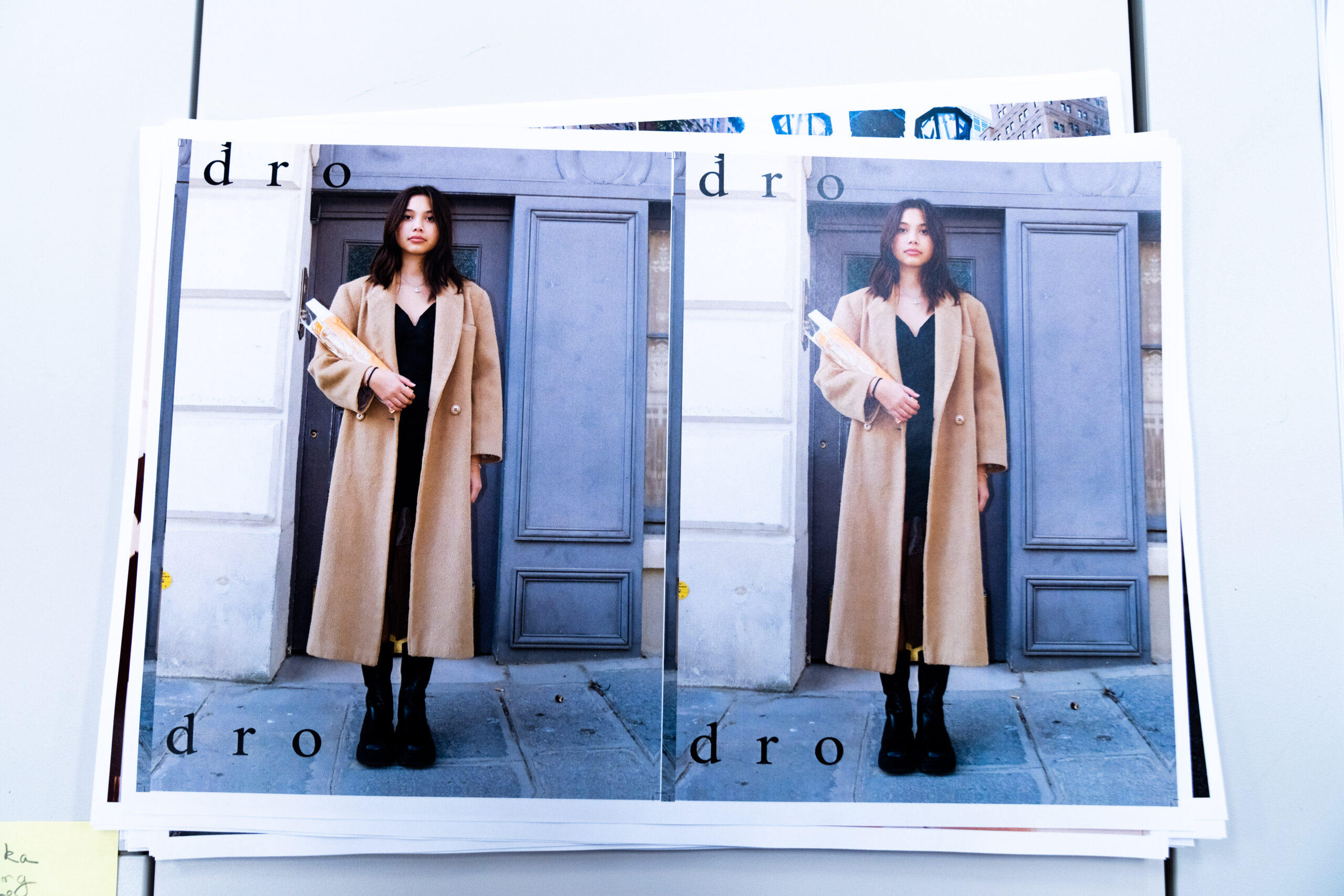
A heavier, thicker gloss stock that delivers a noticeably luxurious feel in the hand — the pages feel substantial and the color reproduction is exceptional. Used by high-end fashion labels, luxury real estate developers, art galleries, and any brand for whom the physical quality of the magazine is itself a brand statement. The trade-off is cost: 100 lb. text stock adds meaningfully to the per-unit price compared to 80 lb., which is why it’s most often reserved for shorter print runs where per-unit cost is less of a concern.
Specialty
Natural, slightly textured paper without a surface coating. Ink is absorbed directly into the fiber, creating a warm, organic, tactile quality that no coated stock can replicate. Color reproduction is more muted — this is a deliberate aesthetic choice, not a flaw. Uncoated stock is the right choice for brands that want to communicate authenticity, sustainability, or artisan quality. It’s also the easiest stock to write on, making it practical for publications that serve as workbooks, planners, or interactive guides.
Cover Stock and Finishes
The cover is the first physical impression your magazine makes. While the interior paper choice affects the reading experience, the cover stock and finish determine the brand perception before a single page is turned. At Unique Print NY, covers are always printed on a separate, heavier stock than interior pages.
Cover Stock Weights
We recommend a minimum of 80 lb. cover stock for all magazine covers. For a more substantial, premium feel — and for any publication that will be displayed on a stand, shelf, or rack — 100 lb. cover stock is the better choice. The additional thickness and rigidity protects interior pages and communicates quality from the first touch.
Cover Finishes
A cover finish is a coating or laminate applied to the printed cover stock after printing. It serves two purposes: protection (scuff resistance, moisture resistance, durability) and aesthetics (enhancing the visual and tactile experience). Here are the three primary options:
Soft-Touch Matte Laminate * Most Requested Cover Finish
A premium matte laminate with an unmistakable velvety, suede-like texture that feels extraordinary in the hand. Soft-touch has become the signature finish of luxury magazines, fashion lookbooks, and high-end brand publications because it communicates premium quality instantly — before the reader even looks at the cover image. It also provides excellent scuff resistance and a distinctive non-glare appearance. When clients ask for the most impressive cover finish available, soft-touch is always the answer.
Gloss Laminate * Classic & Vibrant
A shiny, high-gloss protective film that intensifies color and adds a bright, polished sheen to the cover. Gloss laminate makes photography pop and gives the cover a vivid, commercial quality recognizable from newsstand publications. It’s the most durable laminate option and provides excellent protection against moisture and handling. If your cover features bold photography, vivid graphics, or you want a bright, attention-grabbing newsstand aesthetic, gloss laminate is the right call.
Matte Laminate * Refined & Sophisticated
A flat, non-reflective laminate that creates a quiet, refined aesthetic without the velvet texture of soft-touch. Matte laminate is the middle ground — more sophisticated than gloss, more accessible in cost than soft-touch. It works beautifully for editorial brands, arts publications, and corporate magazines where a clean, professional finish is the goal. It reduces fingerprints and glare, making it a practical choice for publications that will be handled extensively.
“The difference between a soft-touch laminate cover and a standard gloss cover isn’t subtle — it’s the first thing people comment on when they pick up a magazine. We’ve had clients reorder just to upgrade their cover finish.”
— Unique Print NY Production Team
Gloss vs. Matte: The Most Common Decision
The single most frequent paper question at Unique Print NY is: should I use gloss or matte? Here’s a direct, honest comparison:
| Factor | Coated Gloss | Coated Matte |
|---|---|---|
| Color Vibrancy | ✦ Excellent | ◎ Very Good |
| Photography Reproduction | ✦ Best | ◎ Good |
| Text Readability | ◎ Good | ✦ Better |
| Glare Under Light | ✗ Can glare | ✦ No glare |
| Fingerprint Visibility | ✗ More visible | ✦ Less visible |
| Perceived Aesthetics | ◎ Vivid, commercial | ✦ Refined, editorial |
| Cost | ✦ Slightly lower | ◎ Comparable |
The bottom line: if your magazine is photo-heavy — fashion, real estate, food, lifestyle, travel — choose gloss. If your magazine is text-heavy or you want a more sophisticated, editorial feel, choose matte. When in doubt, the free sample pack from Unique Print NY lets you feel both in your hands before committing.
Paper Stock by Magazine Type: Quick Reference
Fashion & Lifestyle Magazine
Recommended Spec
Interior: 80–100 lb. coated gloss text
Cover: 100 lb. cover + soft-touch matte laminate
Why: Photography demands gloss vibrancy; soft-touch elevates perceived luxury.
Editorial & Literary Journal
Recommended Spec
Interior: 70 lb. coated matte text
Cover: 80–100 lb. cover + matte laminate
Why: Matte aids readability; uncoated interior is an option for artisan feel.
Real Estate & Development
Recommended Spec
Interior: 100 lb. coated gloss text
Cover: 100 lb. cover + soft-touch or gloss laminate
Why: Premium paper signals premium property; gloss makes photography stunning.
Corporate & B2B Magazine
Recommended Spec
Interior: 80 lb. coated matte text
Cover: 100 lb. cover + matte laminate
Why: Professional, non-glare finish suits corporate environments and heavy use.
Arts & Culture Publication
Recommended Spec
Interior: 80 lb. uncoated or matte text
Cover: 100 lb. cover + soft-touch or matte laminate
Why: Uncoated interior communicates authenticity; elevated cover for display.
First-Time Publisher / Test Run
Recommended Spec
Interior: 80 lb. coated gloss text
Cover: 80 lb. cover + gloss laminate
Why: Most versatile and cost-effective combination. Looks professional across all magazine types.
How to Choose: A Simple 5-Step Process
Frequently Asked Questions
Ready to Choose Your Paper and Start Printing?
Request a free paper sample pack, get a custom quote, or talk to Unique Print NY’s expert team about the right spec for your magazine. We’re here to make every decision easy.
 Adam Greenberg