
Michael Morabito
October 19, 2026
To scale print marketing across a real estate team or brokerage, centralize it: keep one set of brand-approved templates that agents personalize only in locked fields, standardize paper and finish specs for every item, batch recurring orders (business cards, postcards, market reports) on a fixed monthly or quarterly cycle, and keep a separate same-day or next-day path for new listings. This keeps every agent on brand, cuts reprints, and combines small orders into fewer, larger runs. Unique Print NY at 242 West 36th Street, New York, NY 10018 prints marketing materials for NYC real estate teams and brokerages. Minimum order $175. Call (212) 420-9198 Monday–Friday 9AM–5PM.
A solo agent can order business cards when the box runs low and design a listing brochure the night before an open house. That stops working somewhere around the fifth agent. By the time a team reaches ten or twenty people, or a brokerage has offices in Manhattan and Brooklyn, print turns into an operations problem: business cards in three slightly different shades of the brand color, a listing brochure with last year’s logo, an agent paying rush fees because nobody noticed the postcard stock ran out, and a marketing director fielding the same “can you resize this for me?” request a dozen times a week.
The fix is not more design work. It is a print system: a defined set of items, templates that keep the brand fixed while letting agents personalize what they need to, written specs for every piece, and a predictable ordering rhythm. This guide covers how to build that system for a NYC real estate team or brokerage, from the item list to the ordering calendar.
If you are an individual agent looking for the pieces themselves, start with our guide to brochures, flyers, and marketing materials for NYC real estate. If you are building a territory, see neighborhood farming with print. This article is about running print for the whole team.
Why Print Gets Harder as a Team Grows
Print problems at scale are rarely about print quality. They come from having too many people making small, separate decisions. These are the five that show up most often in growing NYC teams and brokerages:
The Most Common Problem
Each agent edits their own copy of the template. Within a year there are versions with stretched logos, off-brand fonts, outdated license disclosures, and colors that print differently because one file was set up in RGB. Buyers and sellers see the brokerage as less polished than it is.
Avoidable Cost
Business cards and postcards are predictable, but when every agent reorders on their own schedule, most orders happen when supply is already gone. Routine items end up on same-day turnaround, which costs more than planned production.
Higher Per-Piece Cost
Fifteen agents placing fifteen separate small orders pay more per piece than one combined order would. Each small order also has to clear the shop’s minimum order and carries its own delivery and handling.
Risk for the Brokerage
Real estate advertising generally needs to identify the brokerage clearly, and many brokerages have their own disclosure and Fair Housing language rules. When agents build materials from scratch, those elements are the first to go missing. Locked templates keep them on every piece.
Wasted Staff Time
Without self-serve templates, every listing flyer and every new hire’s business card goes through one or two marketing staff. The work is simple, but the volume crowds out the campaigns that actually grow the brokerage.
Reprint Errors
When the “final” file lives in an agent’s downloads folder, the next reorder starts from an older version. A shared, clearly named file library prevents reprinting a sold listing’s details or a departed agent’s phone number.
The Brokerage Print Library: What to Standardize
The first step is deciding which items the brokerage controls and which ones agents personalize. Most teams land on a split like this: the brokerage owns the template, the specs, and the ordering schedule; agents fill in their own name, photo, contact details, and listing content.
| Item | Who Controls It | Typical Spec | Ordering Rhythm |
|---|---|---|---|
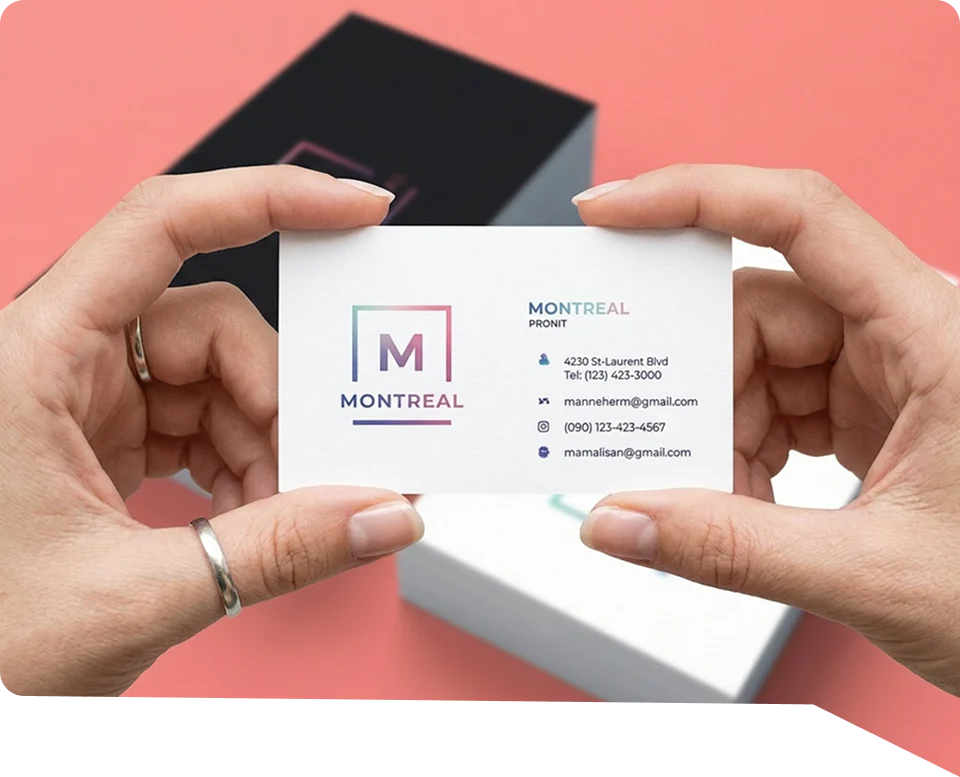
| Agent business cards | Brokerage template · agent name, title, contact, photo | 3.5″ × 2″ · heavy cover stock · matte, silk, or soft-touch | Batched monthly; new hires added to the next batch |
| Listing brochures & feature sheets | Brokerage layout · agent adds listing photos, copy, floor plan | 8.5″ × 11″ sheet or 11″ × 17″ folded · gloss or silk text/cover | Per listing; often next-day or same-day |
| Just Listed / Just Sold postcards | Brokerage template · agent adds property and photo | 6″ × 9″ or 4″ × 6″ · heavy gloss or silk cover | Per listing or closing; mail within days of the event |
| Open house sign-in sheets & handouts | Brokerage template · agent adds listing details | 8.5″ × 11″ · text weight | Per open house |
| Quarterly market reports | Brokerage-produced · co-branded with agent or team | Saddle-stitched booklet or folded 11″ × 17″ · silk text | Quarterly (January, April, July, October) |
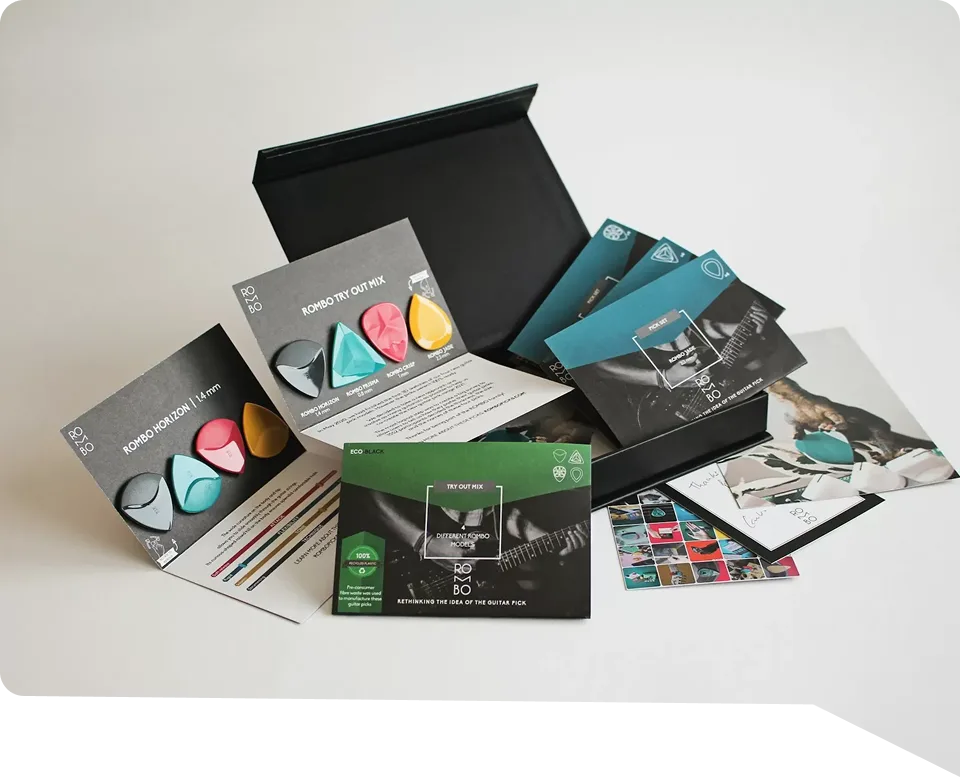
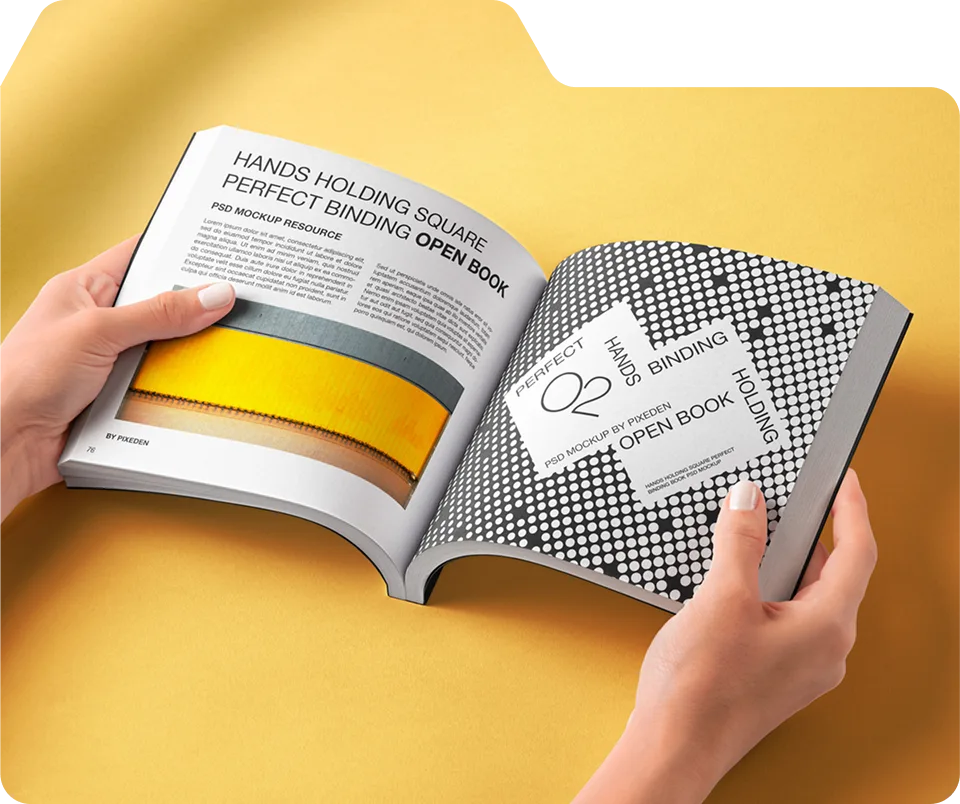
| Listing presentation booklets | Brokerage content · agent adds bio, track record, comps | Bound presentation or booklet · cover stock covers | Small runs, refreshed each quarter |
| Recruiting brochures | Brokerage only | Folded brochure or short booklet · premium finish | Once or twice a year, plus before recruiting events |
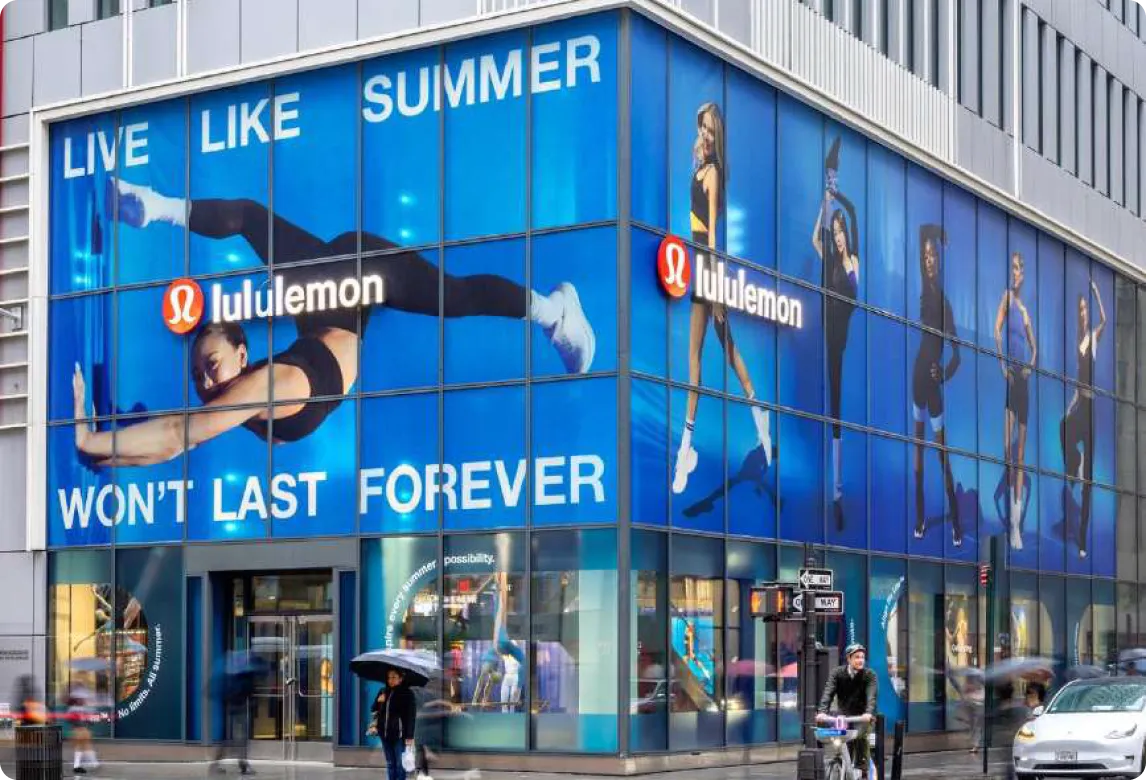
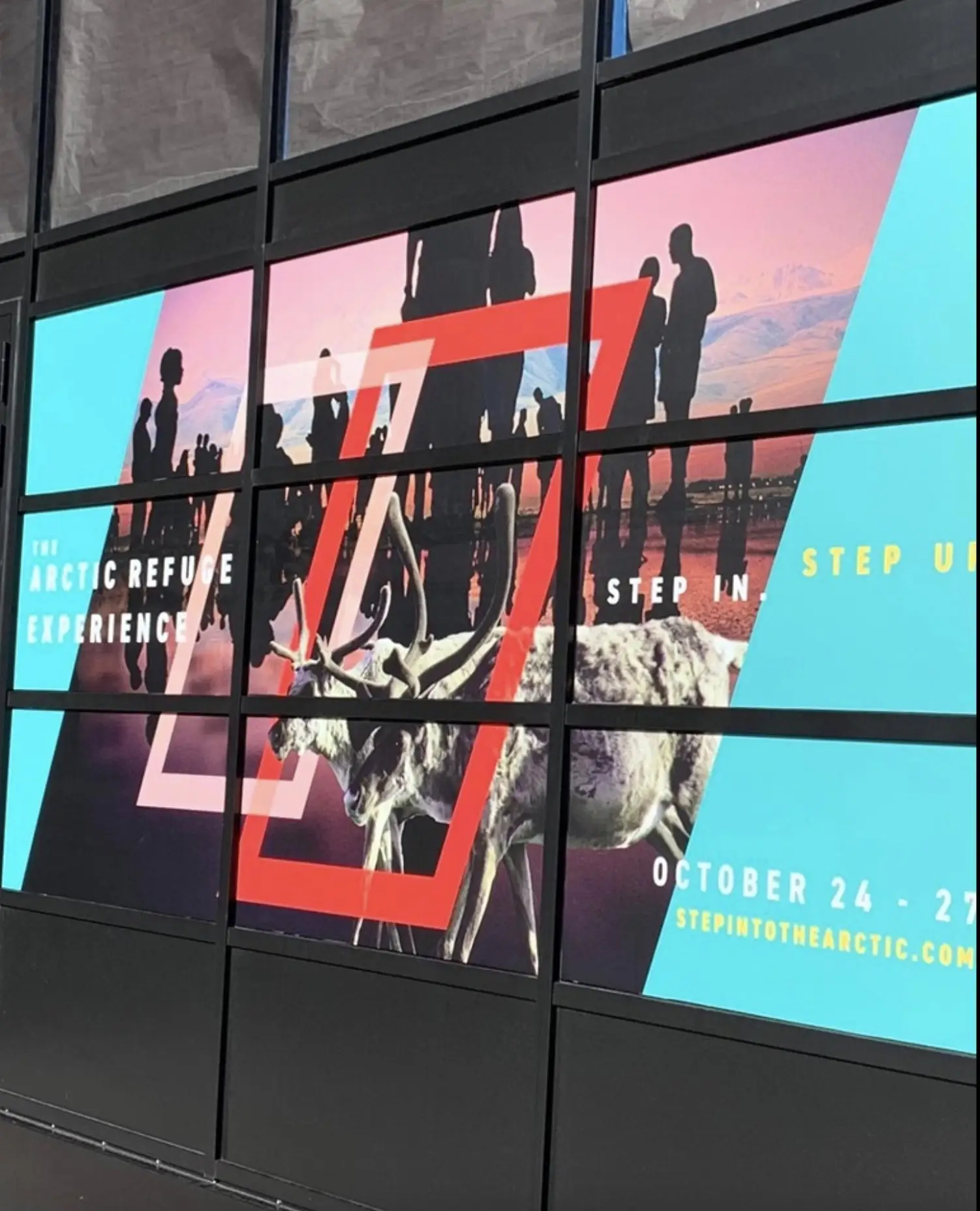
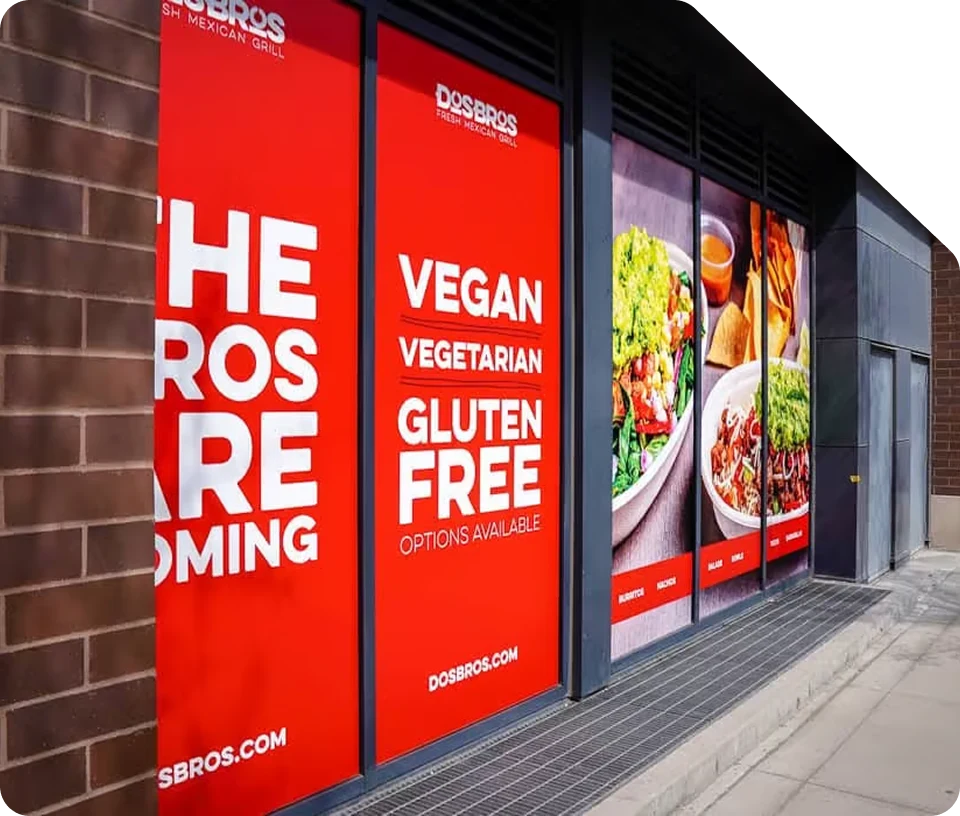
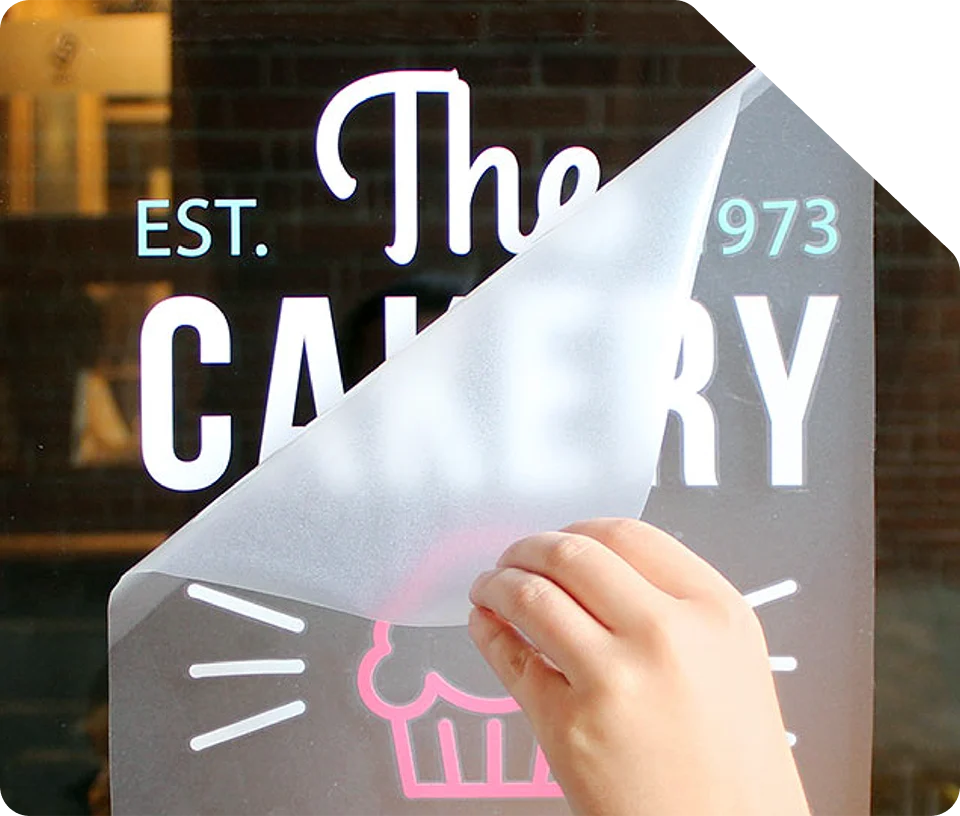
| Office posters, window graphics & event banners | Brokerage only | Large format · mounted posters, banners, window vinyl | Per office opening, campaign, or event |
Unique Print NY produces all of these in-house, including business cards, brochures, postcards, booklets, presentations, and large format pieces like window graphics and step-and-repeat banners for brokerage events.
How to Build a Brand-Safe Template System
A template system is what lets twenty agents produce their own materials without twenty versions of the brand. It does not require special software. It requires a few decisions made once and written down.
-
Create one master file per item, owned by marketing
Build each template once, at the correct final size with 0.125″ bleed and CMYK color, and store it in one shared location. Agents never edit the master. They save a copy, fill it in, and export a PDF. When the brand changes, marketing updates one file instead of chasing down copies. -
Lock the brand, open only the personal fields
Decide which elements are fixed (logo, brand colors, fonts, layout, brokerage name, license and Equal Housing Opportunity disclosures) and which agents can change (name, title, phone, email, headshot, listing photos and copy). In design tools that support it, lock the fixed layers. In simpler tools, use clearly labeled placeholder boxes and a one-page “what you can change” guide. -
Write a spec sheet for every item
For each piece, record the finished size, paper stock, finish, and quantity range. This stops one agent ordering business cards on thin stock while another orders soft-touch, so every card from the brokerage looks and feels the same. Keep the spec sheet next to the templates. -
Set a file naming convention
A consistent name, such as Brokerage-Item-AgentLastName-Date.pdf, makes it obvious which file is current, who it belongs to, and when it was approved. It also makes batch orders far easier for your print shop to check. -
Add a simple approval step
One person, usually the marketing coordinator or team lead, checks each finished PDF against a short checklist before it goes to print: correct logo, disclosures present, contact details right, photos high-resolution, bleed included. Five minutes of checking prevents a full reprint. -
Export print-ready PDFs every time
Unique Print NY prints from print-ready PDF files. Exporting at 300 DPI with bleed, CMYK color, and embedded fonts avoids the most common delays. Our print guidelines and our PDF checklist for commercial printing cover the details.
Brand colors look different on every agent’s screen. Before rolling out a new template set, print one proof of each item on the stock you have specified and keep it in the office. When an agent asks whether their card “looks right,” the answer is the printed sample, not a monitor.
Centralized vs. Agent-Direct Ordering
Once templates exist, the next decision is who places the order. There are three common models. Most brokerages end up with the hybrid.
| Model | How It Works | Strengths | Watch Out For |
|---|---|---|---|
| Fully centralized | Marketing collects every request and places all orders | Tightest brand control · biggest batches · one point of contact for the print shop | Marketing becomes a bottleneck for time-sensitive listing pieces |
| Agent-direct | Each agent orders their own materials from the approved templates | Fast · agents control their own timing | Small orders · inconsistent stock choices · each order must clear the minimum |
| Hybrid ★ | Recurring items are batched centrally; listing-specific pieces are ordered by agents within approved specs | Brand control and lower cost on routine items · speed on listings | Needs a clear written rule for which items fall in which lane |
In the hybrid model, business cards, market reports, recruiting materials, and office signage go through marketing on a schedule. Listing brochures, feature sheets, open house handouts, and Just Listed postcards go straight from the agent to the print shop, using approved templates and the spec sheet. Billing can still be consolidated under the brokerage or split by agent, depending on how your team handles marketing costs.
Batch Ordering: The Biggest Cost Lever
Lower Cost · Fewer Rush Orders
Most of the setup work in a print job happens once per order: checking files, setting up the press, cutting, and packing. When fifteen agents’ business cards are printed in one order on the same stock, that setup is shared, and the brokerage gets better per-piece pricing than fifteen separate orders would. Combined orders also clear Unique Print NY’s $175 minimum order easily, where a single agent’s reorder might not.
How to run it: pick a fixed date each month (for example, the first Monday) as the business card cutoff. Agents submit their completed PDFs, or a request for a reorder, by that date. Marketing checks the files, combines them into one order, and submits it. New hires are added to the next batch, with a small same-day order only when someone truly cannot wait.
The same approach works for quarterly market reports co-branded for each agent, seasonal postcard campaigns across the team, and refreshed listing presentation booklets. Anything predictable belongs on a schedule.
Order per listing: brochures · feature sheets · open house handouts · Just Listed / Just Sold
A Year-Round Print Calendar for NYC Brokerages
NYC real estate has a seasonal rhythm, with spring and early fall typically the busiest listing periods. Planning print around it keeps production ahead of demand instead of behind it.
| When | Brokerage-Wide Print | Why Now |
|---|---|---|
| January | Q4 / year-end market report · refreshed listing presentation booklets · business card batch for new-year hires | Year-end numbers are the strongest reason to contact past clients and sphere |
| February–March | Spring postcard campaign · brochure template refresh · open house materials restocked | Get templates and stock ready before the spring listing rush |
| April | Q1 market report · recruiting brochure update | Spring is peak listing season; Q1 data supports pricing conversations |
| July | Q2 market report · mid-year recruiting push · office signage refresh | Mid-year is a natural point for agents to consider switching brokerages |
| August–September | Fall postcard campaign · event banners and step-and-repeat for brokerage events | Fall market restarts after Labor Day; events and launches cluster here |
| October | Q3 market report · holiday card and client gift printing ordered early | Ordering holiday pieces in October avoids the December crunch |
Handling Rush Orders Without Breaking the System
Real estate will always have urgent print: a listing that goes live tomorrow, an open house moved up a week, a new development launch. The goal is not to eliminate rush orders but to keep them for the jobs that actually need them.
Same-Day & Next-Day Printing
Define what qualifies. New listing brochures, feature sheets, and open house materials qualify. Business cards, recruiting brochures, and market reports should not, except for a genuine emergency.
Keep rush files ready. Most rush delays come from files, not printing. If listing templates are set up correctly in advance, an agent only has to drop in photos and copy, export a print-ready PDF, and send it.
Know the timing. Unique Print NY offers same-day, next-day, and overnight printing. Same-day orders carry an additional charge, so routing routine items through the batch schedule keeps rush costs limited to listing work. Call (212) 420-9198 to confirm same-day timing for a specific job.
Plan pickup or delivery. Orders can be picked up at our Midtown shop at 242 West 36th Street, a short walk from Penn Station and the Garment District, or delivered within Manhattan and Brooklyn.
The New Agent Print Kit
Onboarding is one of the easiest places to bring print into the system. Instead of each new agent ordering materials piecemeal over their first month, give them a standard kit on day one, ordered as part of the regular monthly batch.
-
Business cards
Printed from the brokerage template with the agent’s name, title, license designation, contact details, and headshot, on the brokerage’s standard stock and finish. -
Listing presentation booklet
The brokerage’s standard listing presentation, with a page for the new agent’s bio. Ready before their first listing appointment. -
Introduction postcards
A “now with [Brokerage]” announcement to the agent’s sphere, on the team’s standard postcard template. -
Open house starter pack
Sign-in sheets and a set of generic brokerage handouts the agent can use before their first listing materials are designed. -
Access to the template library and spec sheet
A short walkthrough of where templates live, what can be changed, how files should be named, and how to submit an order through the approval step.
Frequently Asked Questions
Print for NYC Real Estate Teams and Brokerages: One Shop for Every Agent
Business cards, listing brochures, postcards, market reports, listing presentations, and office signage, printed in-house in Midtown Manhattan since 1977. Same-day, next-day, and overnight turnaround. Pickup at our shop or delivery within Manhattan and Brooklyn.
242 West 36th Street, New York, NY 10018 · (212) 420-9198 · Mon–Fri 9AM–5PM · Minimum order $175
Michael Morabito
October 19, 2026